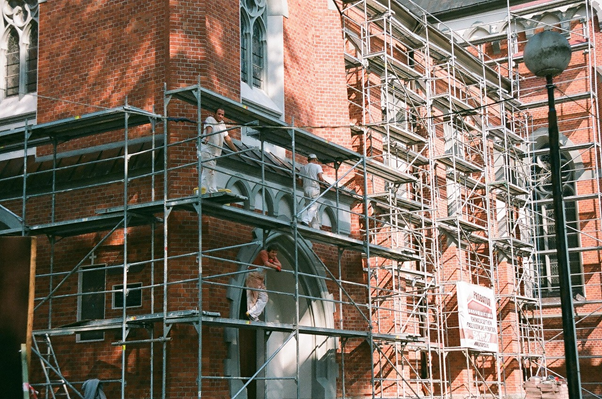
Abandoned mines, shuttered factories, exhausted quarries — these sites scar the landscapes of countless regions and are often written off as environmental liabilities with no future. Yet a closer look reveals something surprising: brownfields, when approached with the right strategy, can become powerful symbols of sustainable development. The revitalization of contaminated land is no longer a niche concept. It is a proven, global practice that is gaining momentum rapidly. According to research from environmental agencies across Europe and North America, thousands of hectares of brownfield land are reassessed for potential reuse every year — a clear sign that society is waking up to its transformative potential.
Der Begriff „Brownfield“ bezeichnet im Fachjargon Grundstücke oder Flächen, die durch frühere Nutzung belastet oder verunreinigt sind – und deren Wiederherstellung sowohl ökologisch als auch wirtschaftlich lohnend sein kann. Was dabei entsteht, reicht von städtischen Parks und Feuchtbiotopen bis hin zu modernen Solarparks und innovativen Wohnquartieren.
Why Brownfield Revitalization Matters More Than Ever
The numbers make a compelling case. The European Union alone is home to an estimated 2.5 million potentially contaminated sites, of which around 340,000 are considered in urgent need of remediation. These areas are frequently located near cities and towns — right in the middle of where people live, work, and raise their families. Left unaddressed, neglected brownfields act as sources of soil, groundwater, and air pollution, quietly degrading the health of surrounding communities.
At the same time, pressure on undeveloped land continues to grow as urbanization expands. Brownfield revitalization offers a compelling alternative: rather than consuming precious greenfield areas on the outskirts of cities, it redirects development toward land that has already been used. This conserves natural resources, protects biodiversity, and breathes new life into often-neglected urban districts.
The economic argument is equally strong. Revitalization projects generate jobs across multiple sectors — planning, remediation, construction, and the long-term operation of new facilities. Studies consistently show that every dollar invested in brownfield cleanup attracts four to eight dollars of private capital in return. This multiplier effect is particularly valuable for structurally disadvantaged regions, which often carry the heaviest burden of industrial legacy. A genuine win for municipalities, investors, and communities alike.
Modern Remediation Technologies: A Practical Overview
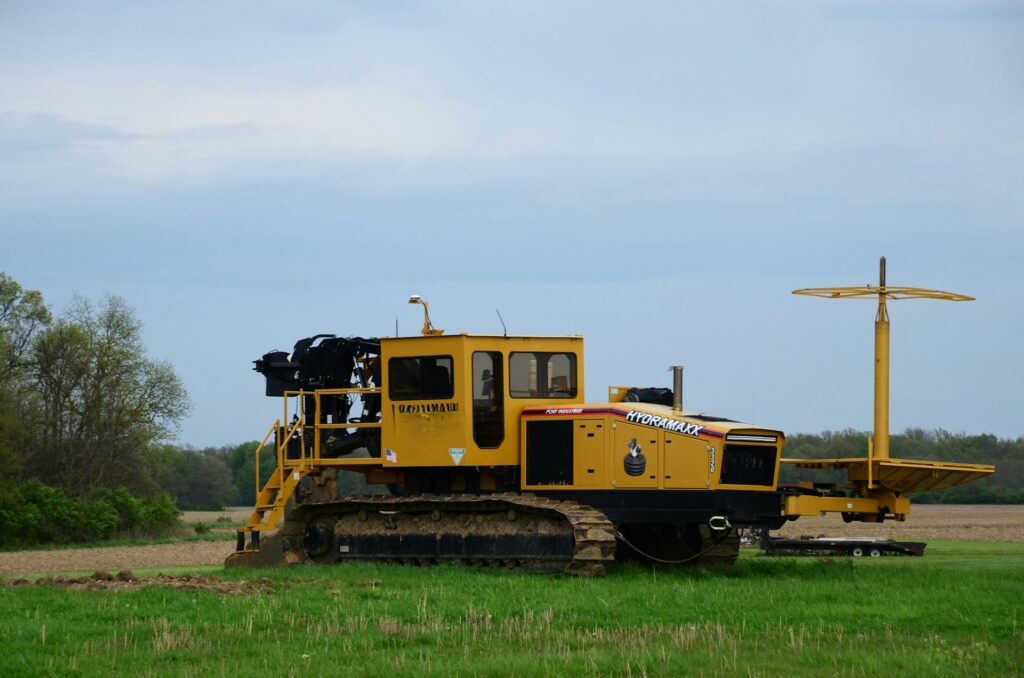
Cleaning up contaminated land today involves far more than simply removing polluted soil. Modern remediation draws on a combination of biological, chemical, and physical methods to restore both land and water in efficient and environmentally sensitive ways. One of the most promising approaches is phytoremediation: certain plant species — including sunflowers, willows, and Indian mustard — absorb heavy metals and other contaminants through their root systems and store them in plant tissue. Once harvested, the contaminated biomass is disposed of safely, leaving behind cleaner soil.
Biostimulation is another widely used technique, in which naturally occurring microorganisms are encouraged to break down organic pollutants such as hydrocarbons. It is cost-effective, minimally invasive, and well-suited for large-scale sites. Advanced monitoring systems — increasingly powered by AI-driven analysis — allow project teams to track remediation progress in real time and adjust interventions with precision. Drone-based mapping and remote sensing satellites now deliver data that once required extensive manual soil sampling, significantly accelerating the entire process.
| Method | Application | Key Benefit |
| Phytoremediation | Heavy metals, light organic compounds | Low-cost, nature-based |
| Biostimulation | Hydrocarbons, mineral oils | Scalable to large sites |
| Soil excavation & replacement | Heavily contaminated soils | Fast, effective results |
| Groundwater treatment (P&T) | Contaminated groundwater | Highly controllable |
Once remediation is complete, the range of possible new uses is remarkably broad. Successful projects from around the world demonstrate what becomes possible:
- Solar farms and wind installations on former mining land
- Urban gardens and recreational green spaces on remediated industrial sites
- Nature reserves and wetland habitats that actively promote biodiversity
- Modern residential and commercial districts with excellent liveability
Transforming brownfields does not happen on its own. It requires political commitment, cross-disciplinary collaboration, and adequate funding. EU grant programs, national government initiatives, and private investment all play a critical role in getting projects off the ground. Those who invest in brownfield revitalization today are investing in the quality of life of future generations — and making a tangible contribution to climate protection, biodiversity, and more equitable urban development.
The abandoned industrial site of yesterday can become tomorrow’s green lung, renewable energy hub, or thriving neighborhood. All it takes is the willingness to take the first step.