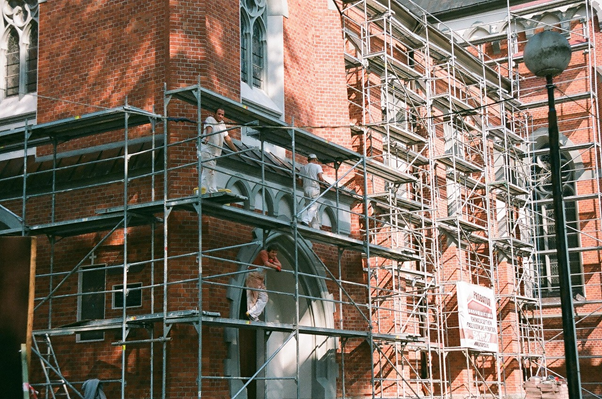
Abandoned factories can drain the city budget for years, creating public discontent. In such cases, the reclamation of industrial zones can be considered a highly profitable investment that transforms a liability into a structure capable of generating millions of dollars. Investments in such sites pay off faster than building from scratch on a greenfield site. However, is everything really so ideal?
What Are the Factors That Determine the Financial Success of Industrial Zone Revitalization?
Buying an abandoned factory is like opening Pandora’s box. The land may be attractively cheap, but renovation often reveals contamination far worse than expected, pushing cleanup costs well beyond the original budget.
Many hidden expenses can turn a profitable deal into a “money pit.” Before signing the contract, the investor must analyze the site’s condition, assess potential risks, and weigh the likely costs. The project’s final return on investment depends on four specific parameters:
- Cost of site preparation. This covers demolishing old workshops, removing contaminated soil, and installing new utility lines.
- Access to subsidies and incentives. Governments often cover part of the costs through road construction or property tax reductions. Without such support, large-scale reclamation projects are virtually unprofitable.
- Market potential of the location. A site near the city center ensures stable demand. In remote areas, investors must artificially create land value through retail or leisure centers.
- Mixed-use development. Combining residential, office, and retail units spreads financial risks. If office rental rates decline, residential sales can keep the project solvent.
Behind every restored landscape lies a complex funding story, and the sources are often more diverse than public budgets and bank loans alone. In North America, for instance, several brownfield restoration projects on or near indigenous lands have been partly financed through revenue from tribal gaming enterprises.
The gaming sector has since evolved well beyond physical venues: online platforms now generate a significant portion of the same revenue base, and players approach them with the same due diligence investors apply to brownfield deals. Resources like https://casinobonusohneeinzahlung.biz/ document bonus terms, licensing details, and user ratings. A structured evaluation of offers that mirrors, on a smaller scale, the kind of risk assessment that determines whether a remediation project becomes a gold mine or a money pit. In both cases, the decisive factor is information: who has it, how reliable it is, and whether the participant uses it before committing capital.
Financial Models and Sources of Funding for Land Reclamation
Depending on the region where the brownfield site is located, the approach to financing remediation will vary. For example, the successful revitalization of brownfield sites in Western Europe and the United States is based on public-private partnership (PPP) models. Private capital rarely covers remediation risks on its own, so investors use blended financing, where government subsidies reduce the costs of initial drilling and waste removal.
According to data from the U.S. Environmental Protection Agency, every dollar of government grants attracts nearly twenty dollars in subsequent private investment in the development of industrial zones in the long term. In U.S. practice, the primary tool is Tax Increment Financing (TIF). The model works whereby an investor takes out a loan secured by future property taxes, which will increase after the revitalization of a depressed neighborhood.
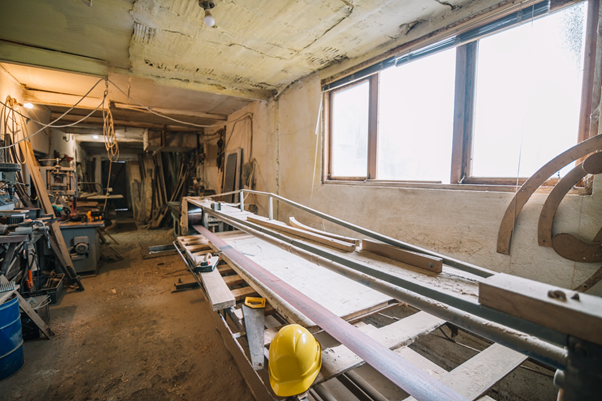
In European countries, the emphasis has shifted toward direct targeted grants from regional development funds. As the European Commission notes, such co-financing compensates for low initial demand for land and attracts institutional capital, including resources from the European Investment Bank, for the comprehensive regeneration of commercial and residential areas.
Today’s financial market also offers investors green bonds and targeted “green” loans with reduced interest rates. International banks are willing to provide working capital for projects that reduce cities’ carbon footprints and prevent the uncontrolled sprawl of megacities.
The Economic Prospects of Industrial Area Redevelopment
The redevelopment of industrial zones combines environmental responsibility with a highly profitable investment strategy into a single business process. The remediation of contaminated sites addresses accumulated environmental damage while simultaneously creating scarce land parcels within metropolitan areas. The investor addresses a critical social challenge facing the city while simultaneously acquiring highly liquid properties that generate stable commercial returns over the long term.
Several global cities have demonstrated the scale of these returns. The transformation of the High Line corridor in New York, the Battersea Power Station redevelopment in London, and the HafenCity district in Hamburg all converted abandoned industrial land into mixed-use neighborhoods that now generate billions in property value. Investor interest continues to grow as ESG criteria reshape institutional capital allocation: pension funds and sovereign wealth funds increasingly favor projects with measurable environmental impact. Combined with rising urban density and shrinking greenfield availability, this trend makes brownfield reclamation one of the most resilient asset classes for the coming decade.